
Q2 & Q3 2026 Newsletter

Message from Co-Founders
There have been few opportunities to take a breath (or write a newsletter) at LABRI in the past six months.
We have completed two important projects in the period, our government-facing research in the Philippines and our scoping work in Malawi. Our proposals in the Philippines have recently been endorsed by a key industry stakeholder, and we are now working with government counterparts on a potential policy. In Malawi, we shared the findings from our market scoping with officials and other NGOs working in the country. However, we have decided not to pursue further work in Malawi at this stage.
We also started new work in Cambodia and an exciting project with the Asian Development Bank. Both of these opportunities are promising avenues for future impact.
Finally, we recently onboarded a new Director of Programmes, Steph Smith, who we are excited to have joining us to oversee our current and future country initiatives.
All the best,
Tom and Micaella
Progress in the Philippines
We concluded a project that we have been working on with the main environmental regulator in the Philippines (the Environmental Management Bureau) and shared our key recommendations with the Department. We concluded during this project that:
Around 40% of used lead-acid batteries in the Philippines are processed by unlicensed recyclers; and
This unlicensed recycling may be responsible for around 25% of the total lead exposure burden in the Philippines.
Our central recommendation from the project was that the existing extended producer responsibility scheme in the Philippines should be extended to ULABs, which would make manufacturers and importers legally responsible for ensuring that ULABs are recycled in licensed facilities.
We are now working with government and industry counterparts to design an EPR policy for ULABs.
Working in Malawi
We recently concluded our research in Malawi and have published our conclusions on our blog, and presented them to the Centre for Global Development’s lead exposure working group. We found that:
Many of Malawi’s used lead-acid batteries are processed by informal smelters; but
Recycling ULABs in safe conditions in Malawi or exporting ULABs to safe facilities outside of Malawi is currently economically unsustainable.
We identified three potential policy options to reduce lead emissions from ULAB recycling in Malawi. While LABRI will not be continuing full programme work in Malawi, we have shared our findings with government officials and implementing organisations working in Malawi and stand ready to support them with these recommendations.
Partnership for a Lead-Free Future Tool
We recently acted as main authors on a tool published by the Partnership for a Lead-Free Future on safe management of used lead-acid batteries. The tool was released in mid-August, and was accompanied by a webinar with various speakers from research and implementing organisations (including Tom). You can watch the webinar and read the tool here.
We are very excited about the launch of the tool because it is specifically designed to support officials in LMICs to address ULAB-related lead exposure.
Other activities
Market scoping in Cambodia
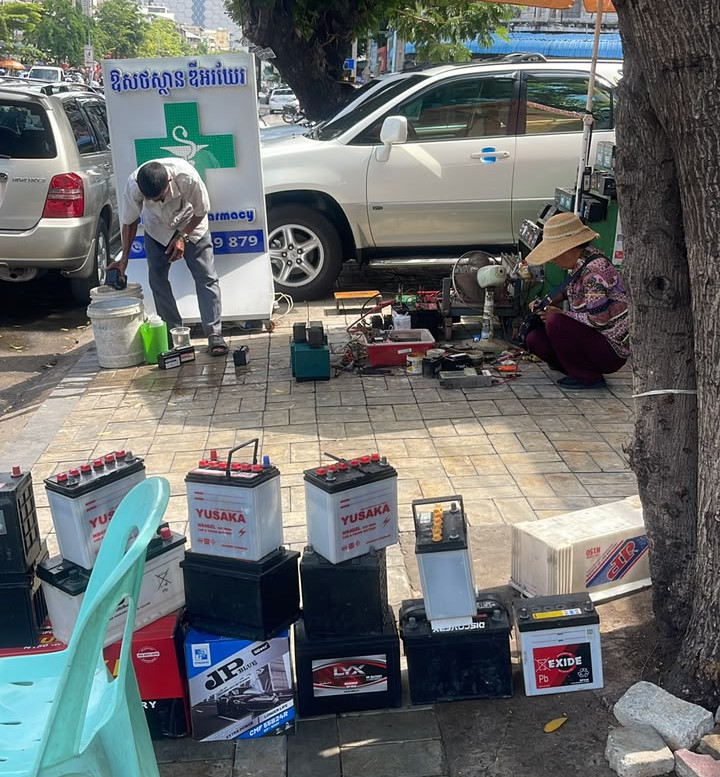
In addition to our work in Malawi and the Philippines, we have also conducted market research in
three other countries during this period (Georgia, Togo and Cambodia).
Our initial scoping in Cambodia has evolved into a more detailed study, and we have interviewed more than 30 market participants to understand the supply chain in the country. We plan to conclude and present our findings and recommendations to national officials by the end of September.
Basel Convention
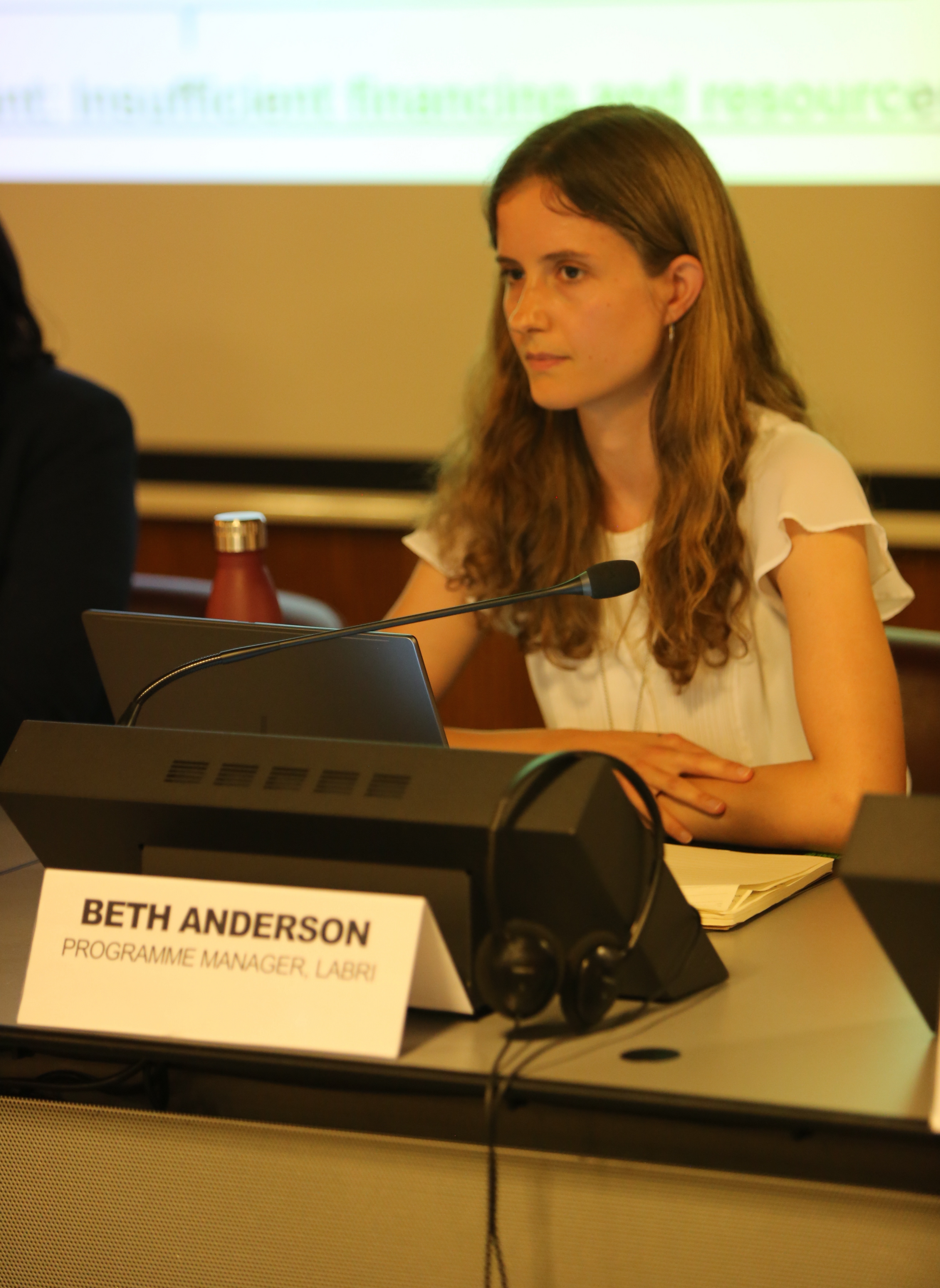
In June, our Programme Manager, Beth, spoke at a Basel Convention OEWG-15 side event on
advancing and scaling up solutions to reduce pollution and exposure from ULABs. Beth shared insights from LABRI’s country-scoping studies during her presentation, which you can watch here.
CGD’s Second Annual Research Conference on Global Lead Exposure
We were pleased to participate in the Centre for Global Development’s annual research conference on lead exposure. At the conference, we presented some of our work outlining the key differences between informal recyclers in different low- and middle-income countries. You can view the poster on the CGD’s website here.

Team Growth
We have also recently hired a new Director of Programmes, Steph Smith. Steph will be responsible for managing LABRI’s country programmes and overseeing our expansion to new geographies in the coming years. Steph recently completed the Charity Entrepreneurship incubation programme and was previously a Senior Director at One Acre Fund in Kenya. We are very pleased to have her on board!
Asian Development Bank
Tom has recently been engaged by the Asian Development Bank to conduct research on used lead-acid battery recycling in several Asian countries. We are really excited about this project because multilateral development banks have an important role to play in designing and implementing solutions to unsafe lead-acid battery recycling. The project is due to conclude in Q4 this year.
Looking ahead
We have made an offer for an Operations Manager to join LABRI’s team, and are looking forward to welcoming her in Q4.


